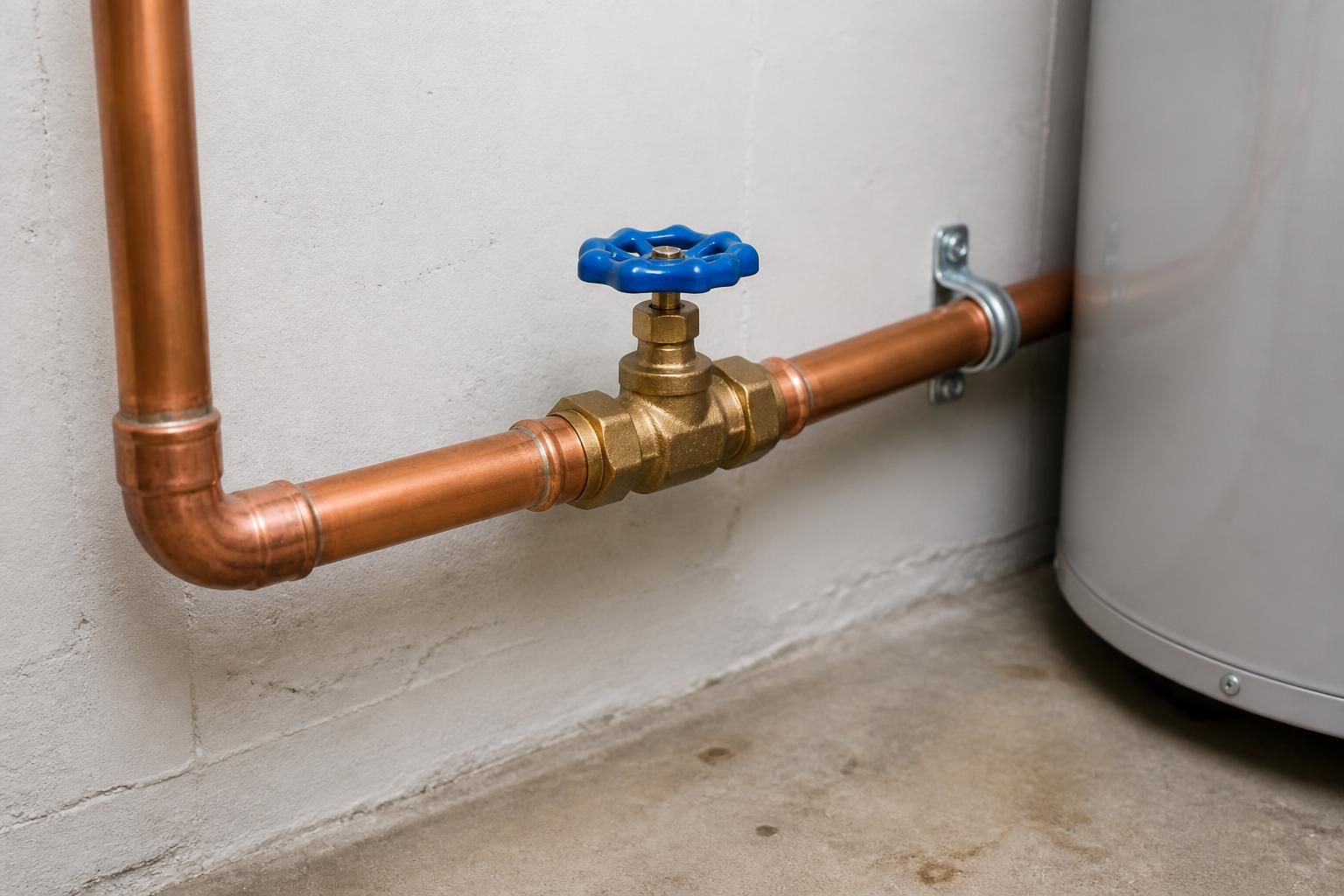
Pipe Repairs
Pipe repairs for San Diego homes when leaks, breaks, or damaged lines start causing trouble.
Pipe repairs for San Diego homes when leaks, breaks, or damaged lines start causing trouble.
A pipe leak can start small, then show up as a stain, a damp cabinet, a musty odor, or a sudden drop in water pressure. If you are hearing water run where it should not, seeing a wet spot that keeps returning, or noticing a line that has started to drip, it is time to have it checked before the damage spreads.
Harbor Plumbing helps homeowners across San Diego, CA with pipe repairs that match the problem at hand. We look for the source of the damage, explain what we find in plain language, and repair the affected piping with respect for your home and your time.
Pipe damage does not always show up as a dramatic leak. Many homeowners notice smaller clues first, and those clues matter. A pipe can seep behind a wall, under a sink, or beneath a floor for a while before the problem becomes obvious.
If the signs come and go, that does not mean the pipe is fine. It often means water is moving through a hidden path and showing up somewhere else. A quick look can save a bigger repair later.
Different pipe issues call for different repair methods. Some problems show up at joints and fittings. Others affect a long run of pipe or a single weakened section.
Connections can loosen, corrode, or split over time. These leaks may drip slowly at first, then spread moisture to nearby materials and cause visible damage around the line.
A cracked pipe may leak only under pressure, which means the problem can be easy to miss. A break usually leaves stronger signs, like pooling water, sudden pressure loss, or a fixture that stops delivering water as expected.
Corrosion can narrow the inside of a pipe and weaken the material itself. When that happens, water quality, pressure, and leak risk can all change at once.
Supply lines under sinks, behind toilets, and at appliances can wear out from age or movement. Even a small split at one of these lines can send water into places that are hard to see.
Harbor Plumbing starts with the symptoms you have noticed, then checks the area around the visible problem and nearby fixtures. The goal is to trace the source, not just treat the spot where the water finally appeared.
This approach keeps the process straightforward. You get a clear answer about what failed and what was needed to fix it.
Not every pipe problem calls for the same solution. The right repair depends on where the damage is, how far it has spread, and what shape the surrounding pipe is in.
We talk through the repair choice before work moves ahead. That way you understand the problem and the plan without guesswork.
Pipe repairs often start because a homeowner spots one symptom, then realizes there are several connected clues. A leak under a sink may also cause a cabinet smell. A pressure change may show up at more than one fixture. A wall stain may be the end result of a slow leak that has been active for some time.
When pipe damage affects more than one area, it helps to think about the whole path of water, not just the most visible spot. We check the nearby plumbing so the repair is not based on a single surface clue alone.
Try to note when you first noticed the issue, whether the water appears constantly, and which fixtures seem affected. Small details help narrow down the search.
Watch the repaired area for any fresh moisture, unusual sounds, or pressure changes. If the original symptom was caused by hidden damage, those signs should settle once the failed section is addressed.
Homes across San Diego, CA can have different pipe layouts, fixture styles, and repair needs. Some pipes are easy to reach. Others are tucked behind finishes, under sinks, or within walls where the source is not visible right away. That is why pipe repairs benefit from a careful, practical look instead of a quick patch.
Harbor Plumbing serves San Diego along with La Mesa, Lemon Grove, Chula Vista, Coronado, and National City. If you have noticed a leak, a pressure change, or signs of water where it should not be, we can help narrow it down and repair the affected line.
Before a visit, there are a few simple things you can do that may reduce additional damage and make the problem easier to assess.
These steps do not replace a repair, but they can help limit moisture spread while the problem is being addressed.
Common signs include water stains, damp surfaces, musty odors, and pressure changes. A hidden leak can also show up as a cabinet floor that feels soft or a wall that keeps darkening in one area.
It is usually better to have it checked sooner rather than later. Small leaks can spread moisture into surrounding materials and turn a limited repair into a wider one.
Yes. We handle both exposed pipe problems and damage that has shown up through a wall, cabinet, ceiling, or floor surface.
That is a common repair call. Supply lines, fittings, and nearby connections can all wear down, especially where water is used often.
Not always. Many repairs involve one damaged section, one joint, or one supply line. We look at the condition of the surrounding pipe before recommending the next step.
As soon as you notice it. Water damage can grow quietly, and early attention gives you a better chance of keeping the repair limited to the affected area.
If you need pipe repairs at your home in San Diego, CA, Harbor Plumbing is ready to help with clear communication and respectful service. Call +16195550143 to schedule a visit and get the damaged pipe assessed by a local plumbing company that keeps the process straightforward.

Tell us what’s going on and we’ll get back to you with a clear next step.